




Blood sugar is not an enemy. It is fuel. Every cell in your body needs glucose. Brain, muscles, organs: they all run on this basic substance. The problem is not sugar itself. The problem is what we have made of it over the last hundred years: isolated, concentrated, portioned by industry, and above all stripped of the brake that creation always built in alongside it.
How the body regulates blood sugar
When you eat, blood sugar rises. The pancreas releases insulin, a hormone that works like a key: it opens the cells so glucose can enter. There it is burned or stored as glycogen in the liver and muscles. Blood sugar drops, and so does insulin. A finely tuned system that runs every minute in a healthy person. Without insulin there is no transport of sugar into the cell. That is how simple and how brilliant this cycle is built.
What goes wrong: insulin resistance
The system comes under strain when blood sugar spikes again and again and insulin runs in permanent overdrive. The cells adapt: they grow steadily deaf to the insulin signal. The key is in the lock, but the lock no longer responds. The pancreas compensates by producing even more insulin. For a while this works. At some point it no longer does. Blood sugar stays high, insulin stays high too, and the cells still do not get enough energy. That is insulin resistance.
Trigger number one is the constant flooding with quickly available sugar. Factory sugar, white flour, sweetened drinks shoot into the blood within minutes, the pancreas fires insulin after them, the sugar is cleared away, the next craving arrives. With every cycle the lock has to respond to the key. At some point it jams. What is short-term protection for the cell becomes, under constant bombardment, a problem for the whole body.
Creation logic: the body was never built for constant sweetness
The original diet, as the Bible describes it in Eden, knew no isolated factory sugar. Fruit, seeds, nuts, leafy greens: everything that grew came as a package. Fruit sugar always embedded in water, fiber, and firm cell structure. The body had to work to reach the sugar. The fiber slowed absorption in the gut, the water diluted it, the firm matrix forced chewing and released the sugar only slowly. Blood sugar rose gently and fell gently. No shock, no cascade.
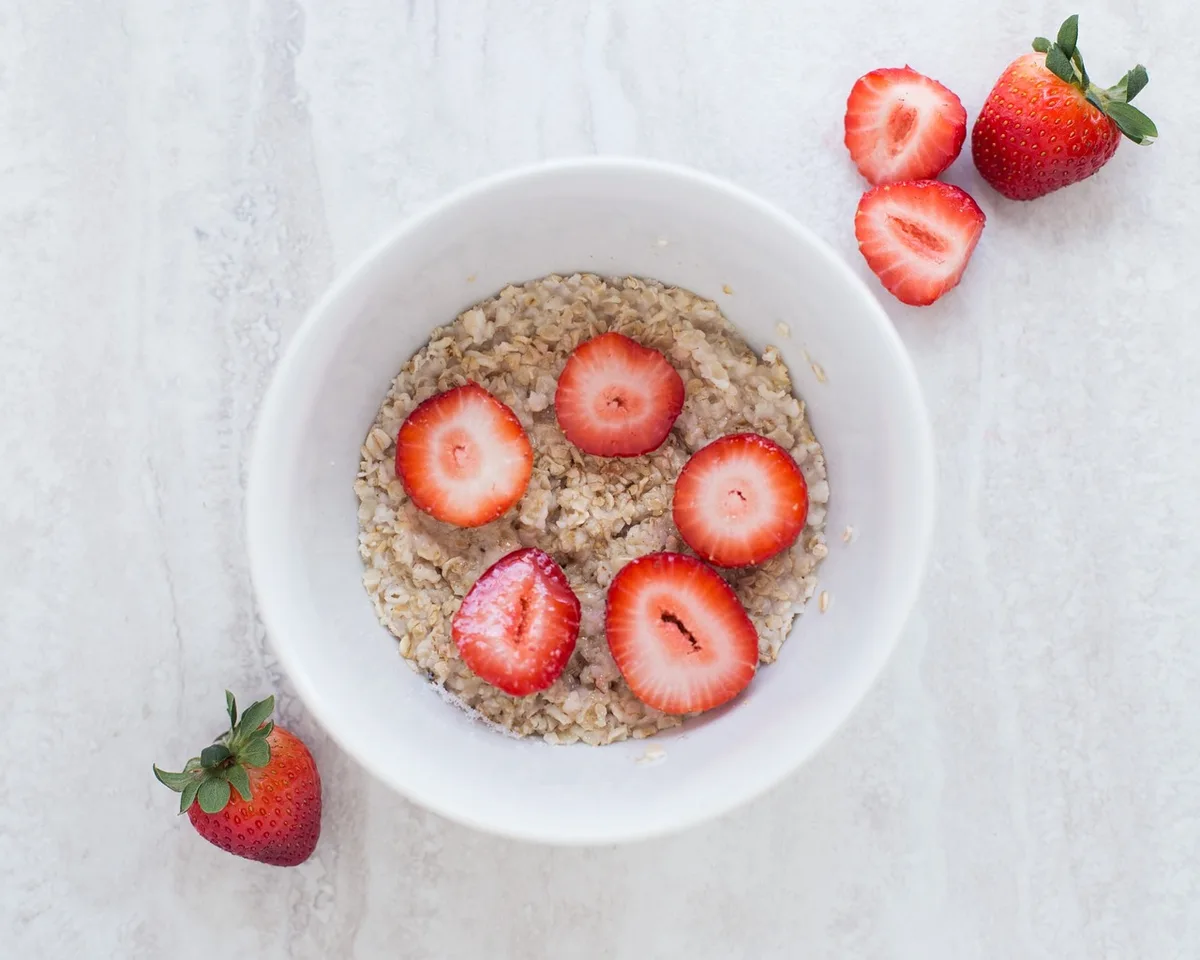
An apple contains 10 grams of fruit sugar, packed into 4 grams of fiber and 85 percent water. A glass of apple juice (300 ml) contains the sugar of three to four apples, but zero fiber and barely any structure. The difference is the packaging. Creation built this packaging on purpose: the fuel always comes with the brake. Only man separated the two. We expose a body designed for slow, fiber-rich sugar intake to a permanent flood of refined carbohydrates. The result is predictable.
The Warburg effect: why cancer cells love sugar
An interesting detail that is often misunderstood: many body cells are strongly glucose-dependent, including many cancer cells. In the 1920s, Otto Warburg discovered that cancer cells ferment sugar even when oxygen is plentiful, instead of burning it efficiently (aerobic glycolysis). A fascinating metabolic difference. No cure through avoiding sugar follows from this, but it shows how central sugar is to what happens inside the cell.
What honestly helps: six things the body has known for millennia
There is no miracle pill. But there are principles the body understands, because it was built for exactly this:
- Whole foods instead of processed products. The closer to the original state, the slower the sugar release and the less stress on the pancreas.
- Fiber with every meal. It slows sugar absorption in the gut and lowers the need for insulin. The seed is the built-in model: concentrated nutrients wrapped in a shell of fiber (see The Seed).
- Movement after eating. A 15-minute walk lowers blood sugar measurably, because working muscles take up glucose even without insulin.
- Less refined food. Cut down on white flour, factory sugar, sweetened drinks. Do not demonize them, do not load them with guilt. But name them honestly: industrial latecomers for which the metabolism has no blueprint.
- Breaks between meals. The body needs time without constant sugar intake to switch over to fat burning. Four to six hours between meals is the rhythm the system is designed for.
- Take sleep and stress seriously. Cortisol drives blood sugar up, even without eating. Chronic lack of sleep lowers insulin sensitivity measurably. The best diet does little good under permanent alarm.
Diabetes? See a doctor. Honestly.
If you have diabetes or suspect it, see a doctor. Have your values checked: HbA1c, fasting blood sugar, insulin level. The principles named here are not a treatment, they do not replace medication, and they are no substitute for medical care. Blood sugar values that stay out of control damage vessels, nerves, and organs. Values belong in a doctor’s hands.
Freedom, not law
Now the frame that stands over all of this: in the New Covenant there is no dietary law anymore. Everything is clean (Acts 10; Romans 14; 1 Timothy 4:4). What you eat or do not eat does not make you more righteous or worse before God. It is not about guilt, not about compulsion, not about “you must” and not about “you must not.” That is the consistent line of the New Testament: freedom in Christ (Rom 14; Col 2:16).
If you decide on whole foods, less sugar, and more fiber, then do it out of wisdom, not out of law. Out of love for the body God has entrusted to you, not out of fear of doing something wrong. The Father (Abba) does not compel. He invites. In the agape everything is contained. Whoever eats less refined sugar does his body good. Whoever does not is no less loved. Values separate. Freedom breathes.
Related: