



“See, I give you every plant that bears seed and every tree that bears fruit: let that be your food.” (Genesis 1:29)
No meat. No processing. No nutritional science. Before there were commandments, prohibitions or theories, there stood this one sentence: plant-based, clear, complete. Eden is not just a place. It is a design: man, nourished by what is alive. No additive, no upgrade. The original.
This section does not ask: “What is the best diet?” But: what if the original holds at least as much truth as our latest studies? We read the Bible’s first instruction about food as an invitation to look again. A trail you are allowed to follow.
From the Garden to Freedom: The Biblical Arc
Eden is only the opening. The Bible unfolds the subject of food in five great stations. Whoever knows only one misses the connection:
- Eden (Gen 1:29): The original. Purely plant-based. No animal dies for the plate.
- After the Flood (Gen 9:3): God permits meat. Not a change of ideal, but a concession to a fallen world. The narrative separates cleanly: before and after.
- Dietary Laws: Clean and Unclean (Leviticus 11): Israel receives a differentiated system. Not just what, but why: holiness, order, protection. No arbitrariness.
- Peter on the Rooftop (Acts 10): God declares every animal clean. No tactical move, but the opening of the covenant to the nations.
- Freedom in the New Covenant (1 Tim 4:4): Everything created is good. No food makes unclean. The chain ends not in new rules but in freedom.
This arc is no zigzag. It is a development: from the origin through restriction and opening to responsible freedom. Every step has a reason. In the four follow-up hubs we trace each of the following stations one by one.
Wisdom, not law

We do not read the Bible as a rulebook. Jesus made it clear: it is not the food that makes unclean, but the heart (Mark 7:15). Peter learned on the rooftop that God calls nothing unclean that he has created (Acts 10). Paul wrote: everything created is good, and nothing is to be rejected if it is received with thanksgiving (1 Tim 4:4).
That is the New Covenant: no checklist, no food policing, no hierarchy of purity. What we take from the Bible are principles for voluntary orientation. A “you may”, a wisdom that invites.
The plant-based original of Eden is not a lost paradise we have to restore. It is a reminder: this is what the beginning looked like. What you make of it is your freedom.
Illness Is a Signal, Not an Enemy
Your body is not an opponent that attacks you for no reason. It speaks. Symptoms are signals, not enemies, even the serious ones. Even an illness is first of all a message: something here is not right. Whoever learns to read these signals does not ask first for the pill, but for the cause.
And many causes are astonishingly young. Industrially hardened vegetable oil has existed only since 1911, and the hardening process it requires was developed in 1907. Almost in the same moment, in 1912, the physician James Herrick described the heart attack for the first time as a distinct, survivable condition; before that, it was barely graspable. This proves no cause, but the closeness in time should make us pay attention. We promise you no healing. We show you how you are built, and your body decides the rest when you give it the right conditions.
What This Section Is Not
No promises of healing, no hype, no sales pitch. No system you buy. The Bible needs no marketing department. We sell no “biblical superfood” and no “paradise plan”. What we offer is an honest engagement with the original text, the historical plants of the region and the question of whether the first chapter of the Bible still has something to say to us today.
No dogma. Eden is not a rule that morally elevates vegetarians and devalues meat eaters. It is a starting point. The biblical arc ends in freedom, not in narrowness. Whoever reads it otherwise has not understood the arc.
What Awaits You in This Section
Genesis 1:29 is a single sentence. Yet whoever digs deeper finds a whole garden behind it:
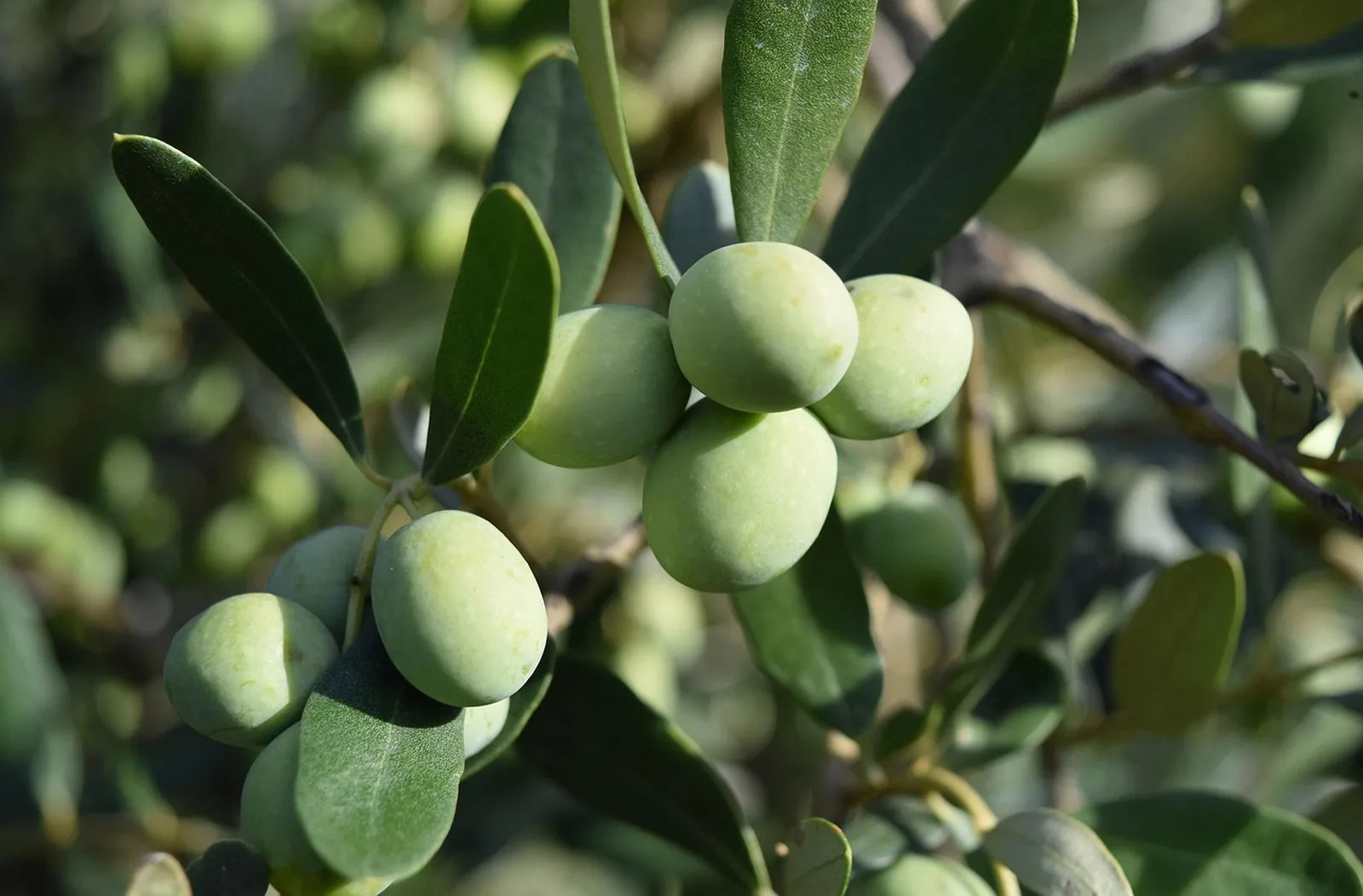
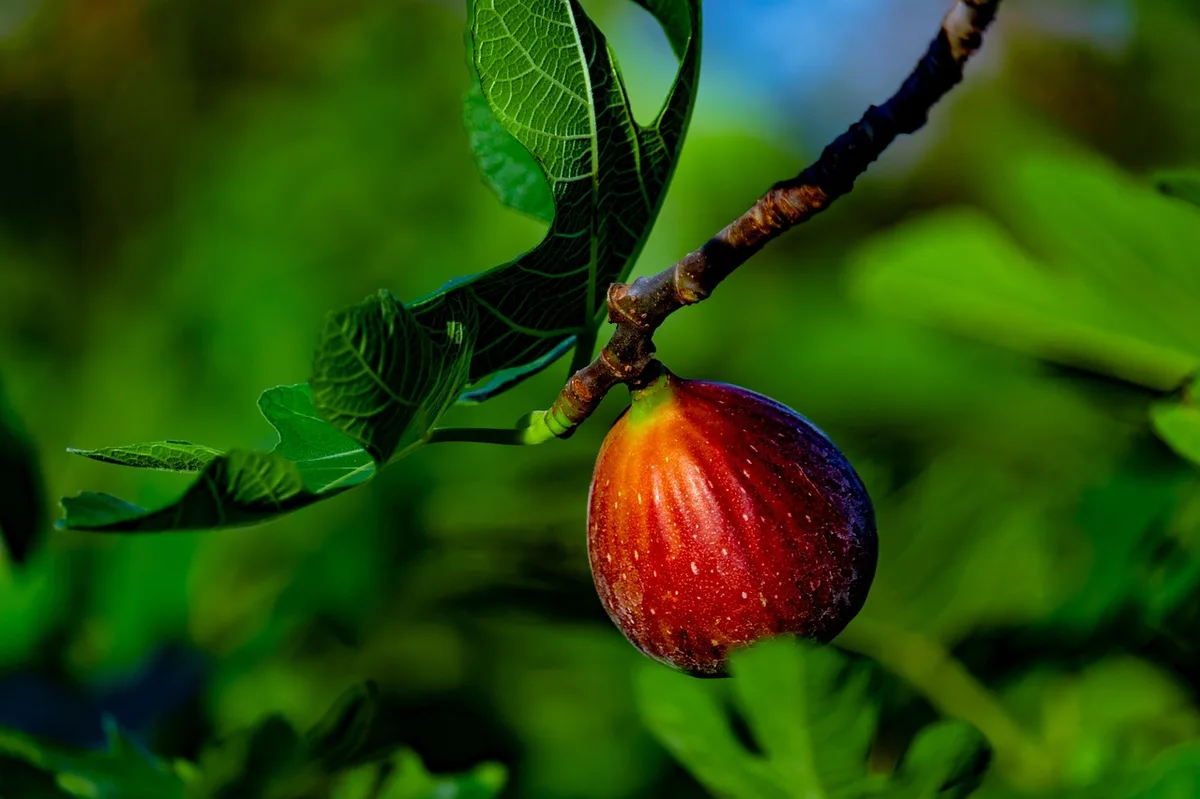
- The edible plants of paradise. Fig, pomegranate, date, olive, wheat, barley, lentil, almond, grape. No exotic fantasy, but the seven species of the promised land (Deuteronomy 8:8) plus the fruits that actually grew in the Near East. We break them down one by one: what is in them, how were they grown, what does the Bible say about them?
- The why. Why plant-based? Theologically (man as keeper, not destroyer), ecologically (a garden, not a factory), anthropologically (the question of violence and food). No easy answers, but honest questions.
- The principle behind the principle. Was it really about plants? Or about a posture: receiving instead of hunting down, keeping instead of exploiting, thanking instead of consuming? This section looks behind the text.
Each of these points gets its own room in this section. No desert of endless prose, but individual, densely written pages with substance. Whoever wants to see the whole garden needs a little time. But the walk is worth it.
Continuing the Arc
Eden is the beginning, not the destination. Next, the world changes: after the Flood, meat is added, and with it a new order.