



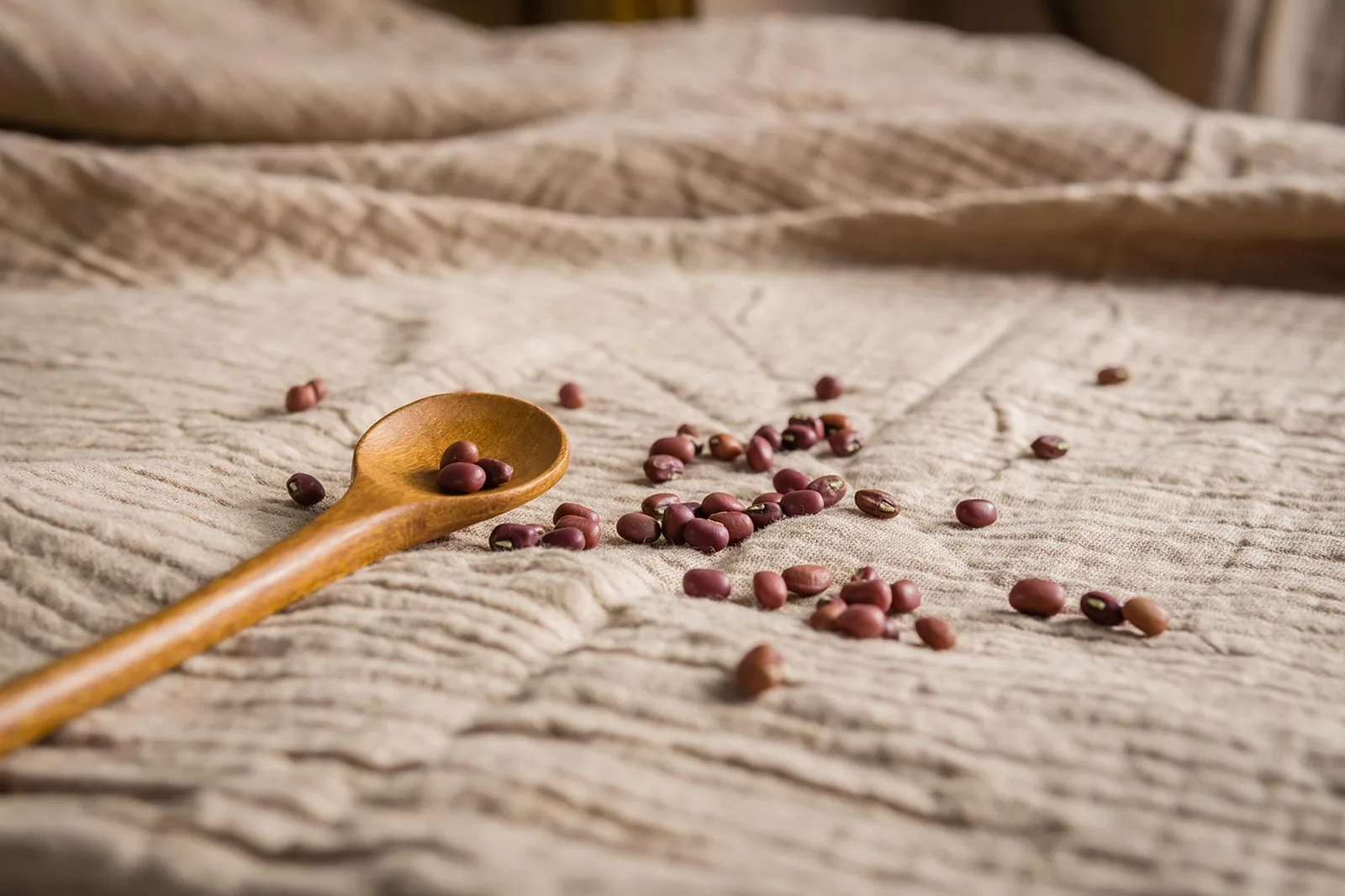
Legumes are the humble giant among the simple foods. Cheap, storable for years, full of protein, and they can do something almost no other food can: they feed the soil while they feed you.
The humble protein cornerstone
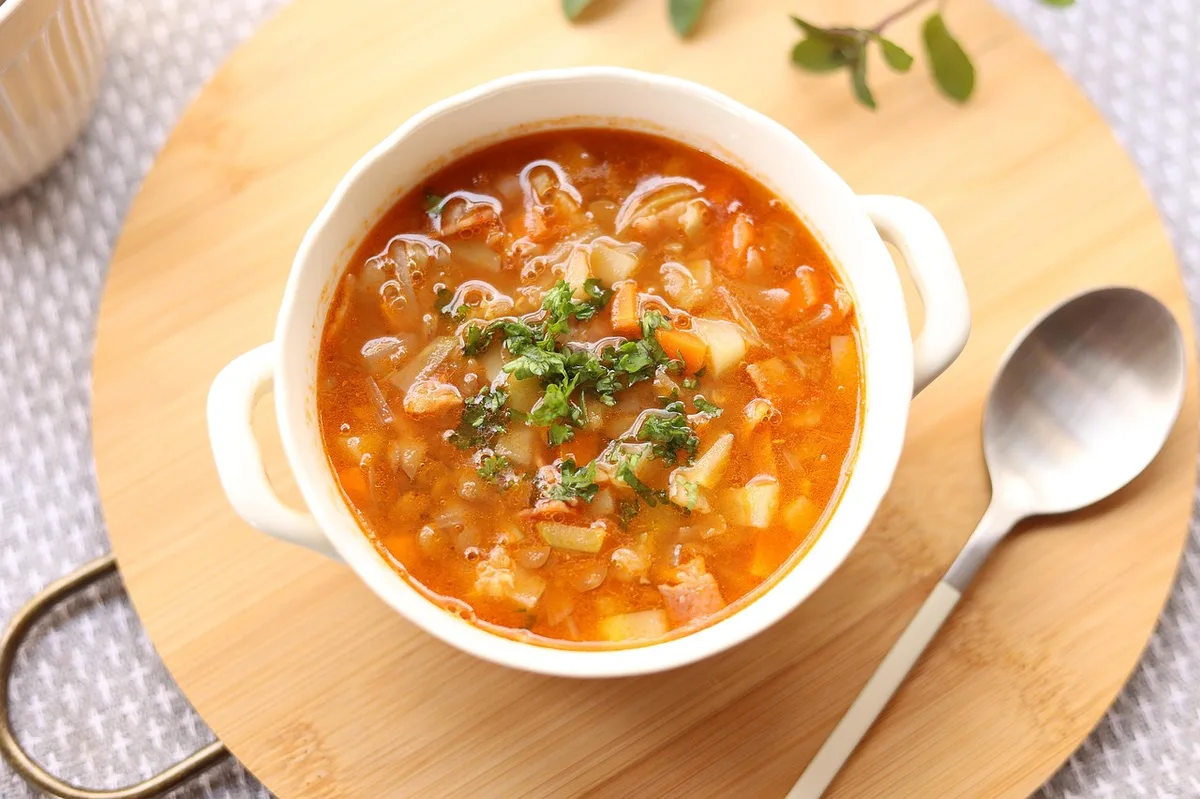
Lentils, beans, chickpeas, peas: dried, they are about one fifth to one quarter protein, plus fiber, minerals and slow carbohydrates with a low glycemic index. For most of history and in large parts of the world, legumes were the everyday protein, cheap and long-lasting. Esau sold his birthright for a dish of lentils (Genesis 25:29-34). David received beans and lentils as provisions (2 Samuel 17:28). Daniel flourished on plant food and water (Daniel 1). Humble food that has carried whole peoples.
The bean-and-grain miracle
Now the clever part. Grain is low in the amino acid lysine, legumes are low in methionine. Bring the two together, bread and lentils, rice and beans, and you get a complete protein, as good as meat, for a few cents. To be honest about it: you do not even have to eat both in the same meal. Spread over the day, your body assembles what it needs. The old plate of simple folk, beans and bread, was quietly perfect nutrition.
They fertilize the soil while they feed you
Here lies the built-in miracle. On the roots of legumes, in little nodules, live bacteria, the rhizobia, which take nitrogen straight from the air and turn it into fertilizer in the soil. The plant fertilizes the earth while it grows. That is exactly why farmers have set beans and lentils into their fields for thousands of years, to renew them, long before anyone knew about nitrogen. A food that gives back to the soil it grows from. Provision that renews instead of depleting.
Preparing them right
Honest and practical. Legumes carry natural defenses, phytic acid and lectins, that is simply the seed protecting itself. The old preparation solves it perfectly: soak, then cook well. One important safety note belongs here: raw or half-cooked beans, especially kidney beans, are truly poisonous, because of the lectin phytohaemagglutinin. So soak them, pour off the water and cook them through properly, never eat them raw. Soaking and long cooking also make the minerals more available, the same wisdom as with sourdough: time and preparation unlock the food.
This is how legumes were eaten for millennia: soaked and cooked soft, often as porridge or stew. Even the famous Ezekiel bread of wheat, barley, beans and lentils (Ezekiel 4:9) was, in the original text, more a porridge than a bread, and expressly siege food, not the everyday recipe. Simple, filling, made from what was at hand.
The longest lives eat them daily
The longest-lived communities in the world, the so-called Blue Zones from Sardinia to Okinawa to Nicoya, share one everyday habit: they eat legumes daily. One large analysis linked every 20 grams of legumes per day to a markedly lower risk of death. Honestly placed: that is an observation, not a miracle cure, and these people do many things right. But it is remarkable that of all things, the cheapest, humblest food keeps appearing on the tables of the oldest.
Wisdom, not law
No rule, no fear (Romans 14). Just an invitation: bring the humble bean back to the table. A pot of lentils, beans with bread, chickpeas, cheap, filling, complete and good for the soil. Prepare them the old way, soak and cook. Simple, whole, and quietly one of the best things you can eat.
Scholarly basis among others: T&T Clark Handbook of Food in the Hebrew Bible and Ancient Israel (Bloomsbury 2022).
Further reading
Bread and Sourdough: Four Ingredients Against the Factory
The Seed: The Power in the Core
The Full Grain: Why Refined Flour Loses the Germ