




Guilt says: I did something wrong. Shame says: I am wrong. That is an enormous difference, and shame is the root that makes you hide, just like at the very beginning.
Where shame and guilt come from
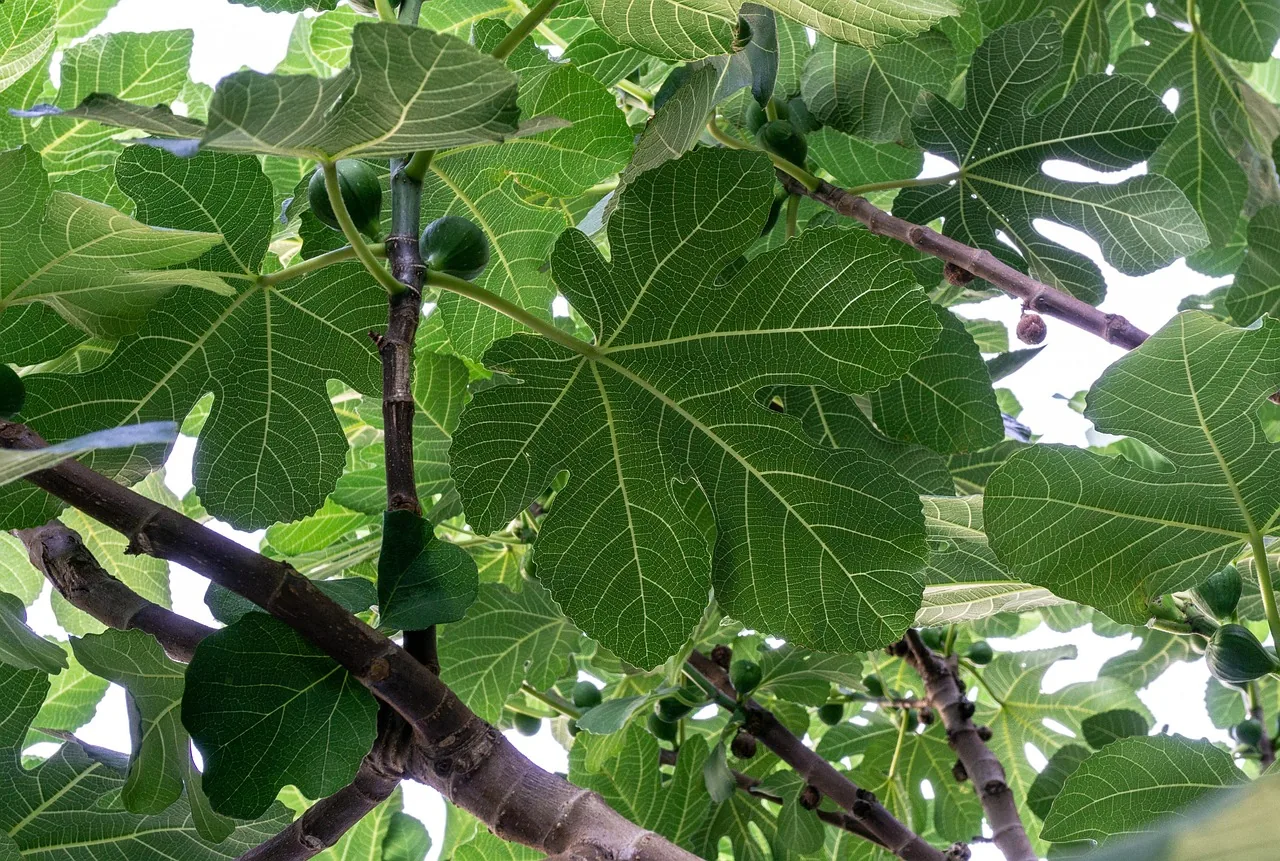
The first human reaction after the break was hiding. “Then the eyes of both were opened, and they realized that they were naked, and they sewed fig leaves together … and the man hid himself” (Genesis 3:7-10). Shame is the fig leaf. Guilt is about a deed and can be brought into the light, confessed and forgiven. Shame is about the person and drives into hiding. Beneath it sits the fear of being seen and then rejected. That is why shame whispers: stay hidden, then no one can abandon you.
How it shows itself
Shame lives in masks, in showing a facade, in secrets, in constant performing so that no one sees the true state. It has an inner accuser, a voice that condemns. And because a root bears fruit everywhere, it shows itself in secret eating and in the shame spiral afterwards, in withdrawing from real closeness, in the inability to let yourself be truly known. What came into the light could be healed. But shame keeps it in the dark, where nothing can heal.
What the Bible says
God did not leave Adam and Eve in their fig leaves. “The LORD God made garments of skins for Adam and his wife and clothed them” (Genesis 3:21). He himself covered their nakedness, a first picture of what Yeshua would complete, who “despised the shame” and bore it (Hebrews 12:2). Therefore: “There is now no condemnation for those who are in Christ Jesus” (Romans 8:1). And: “Whoever believes in him will not be put to shame” (Romans 10:11).
After the break they sewed fig leaves together and hid. From the very beginning, shame is the force that drives people into hiding.
Genesis 3:7-10Research separates shame (“I am bad”) from guilt (“I did something bad”). Shame is strongly linked to addiction, depression and eating disorders, it isolates. Guilt, by contrast, is adaptive, because it leads to turning around and making amends.
Brené Brown; June Tangney, shame researchHow this root heals

Shame heals exactly where it is most afraid: in being seen. “But if we walk in the light, as he is in the light, we have fellowship with one another, and the blood of Jesus cleanses us from all sin” (1 John 1:7). The step is to come out of hiding, to let yourself be seen, and to experience that love does not run away. Guilt may be confessed and released, that is turning around. Shame is healed when a person is looked at and not rejected. The Father covers the nakedness himself, and where he covers, no one has to hide anymore.
In one sentence
Guilt concerns the deed and may come into the light, shame concerns the person and drives into hiding. Both heal in the light, where a person is seen and loved anyway.
Further reading
The Root and the Fruit: Why you are really here
Repentance: Thinking anew (metanoia)
Grace: The undeserved gift