



Sugar is not poison. But it is the clearest example of the pattern that runs through all of modern food: you take a whole plant, strip everything off and keep only the pure, sweet crystal. And no substance has flooded our lives faster than this one.
In the original, sugar never comes alone
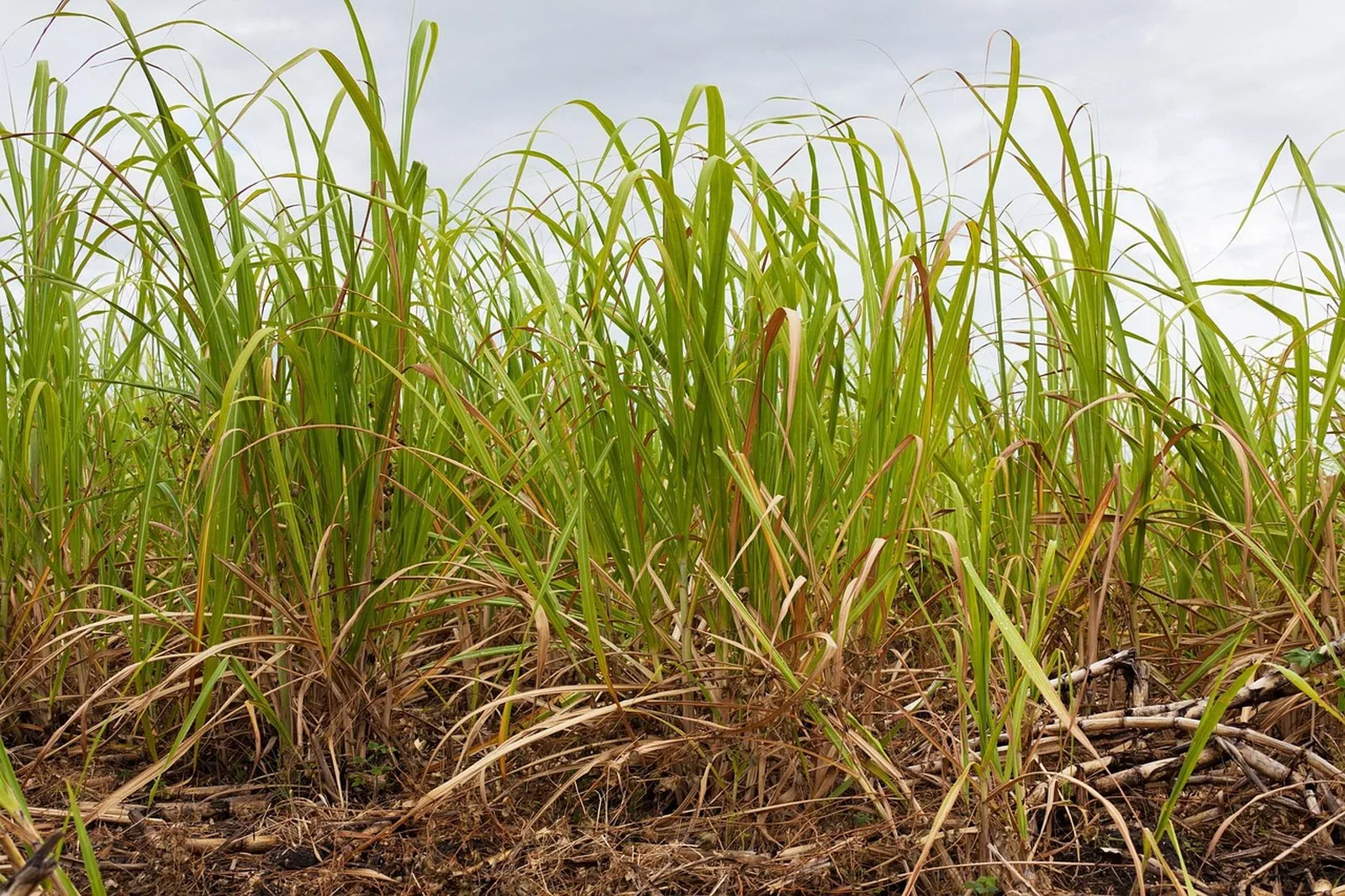
In the fruit, in the beet, in the sugar cane, the sugar is always wrapped up. It comes with fiber, with water, with minerals. The fiber is the brake: it lets the sugar into the blood slowly. The water fills you up. The minerals come right along with it. That is how creation packaged the sweetness. The sugar in an apple sits in fiber and water, you can hardly overeat on it. On apple juice or cola you can, because that is exactly where the packaging is missing.
What the refinery leaves behind: pure sweetness
The juice is clarified, boiled, spun and filtered. In the process the molasses is separated off, that dark syrup that carries the plant’s vitamins and minerals: iron, calcium, magnesium, potassium. What remains is a crystal of over 99.9 percent pure sucrose. No fiber, no minerals, no vitamins. It is rightly called empty calories: pure fuel without a brake and without a package.
You already know the consequence from other pages. Without the fiber brake the sugar shoots into the blood, the pancreas fires insulin after it (see Blood Sugar and Insulin Resistance). What the body does not immediately need of the fruit sugar, the liver turns into fat (see supporting the liver). The same pattern as with the grain and the salt: the whole is taken out, the isolated part remains.
From rarity to flood
For most of history sugar was a rarity, a luxury, at times even medicine. Around 1700 a person ate about two kilos a year. Today it is 35 to over 45 kilos in many countries. That is not a tenfold rise from more appetite, but from omnipresence. Sugar today is in the bread, in the sauce, in the yogurt, in the muesli that calls itself healthy, and of course in every drink. A body built for the occasional honey now swims in daily sugar. That is new, and it is the core of the problem.
Brown sugar, coconut blossom, honey: honestly looked at
Here we stay honest, even when it is uncomfortable. Brown sugar, raw cane sugar and coconut blossom sugar are barely less refined or simply white sugar with a little molasses put back. Their mineral amounts are tiny. Honey and maple syrup are natural, but they remain sugar. No sweet crystal becomes health food through a nobler name. The honest path is not to swap one sweetener for another, but to take the sweetness where it belongs: in the whole fruit, and to cut back the hidden industrial sugar.
What the Bible says about sweetness
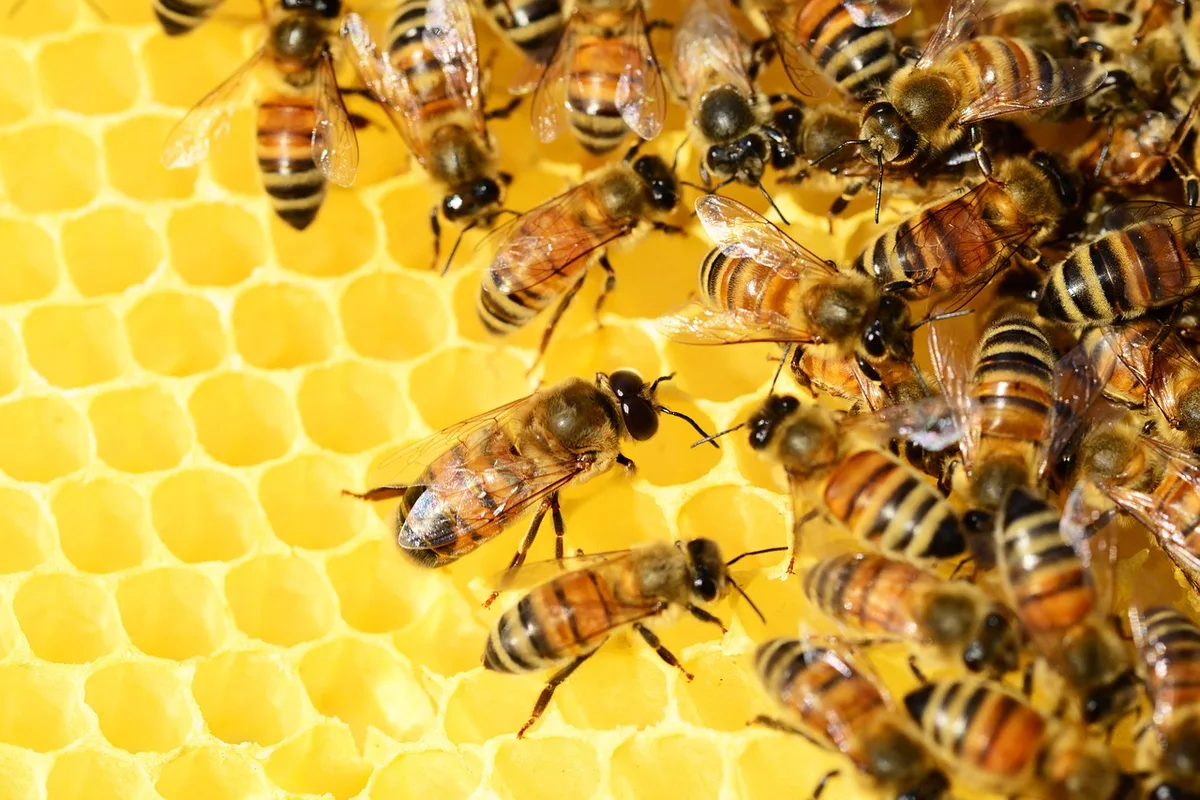
Honey is the sweetener of the Bible, and it is praised. “Eat honey, for it is good” (Proverbs 24:13). The land of promise flows with milk and honey. Yet the same wisdom warns in the same breath against too much: “If you have found honey, eat only what is enough for you, lest you have your fill of it and vomit it up” (Proverbs 25:16). And even more plainly: “It is not good to eat much honey” (Proverbs 25:27).
That is remarkable. The ancient wisdom already knew what every nutrition study confirms today: sweetness is good in measure and harmful in excess. And the biblical honey came whole, with its enzymes and traces, in small amounts, laboriously gathered. Not as a refined crystal, by the kilo, on every shelf.
And where the Bible sweetens, it sweetens with whole fruit: the biblical “honey” (debash) was often date or grape syrup, the Arabic dibs that is still boiled near Jericho today. Alongside it raisins and fresh fruit. Concentrated sweetness from the whole plant, never the isolated crystal.
Wisdom, not law
Sugar is not a sin, and this is not a list of prohibitions. In the New Covenant no food makes you worse, and guilt over eating is not the point (Romans 14; 1 Timothy 4:4). It is an invitation to wisdom. Take your sweetness from the whole fruit, with its built in brake. Take honey in measure, as the old wisdom says. And the greatest leverage lies in the hidden sugar: a glance at the ingredient list does more than any giving up of a piece of fruit. Take the sweetness the way it grew.
Scholarly basis among others: T&T Clark Handbook of Food in the Hebrew Bible and Ancient Israel (Bloomsbury 2022).
Further reading
The Whole Grain: Why White Flour Loses the Germ
Salt of the Earth: What the Refinery Strips Out
Understanding Blood Sugar and Insulin Resistance