



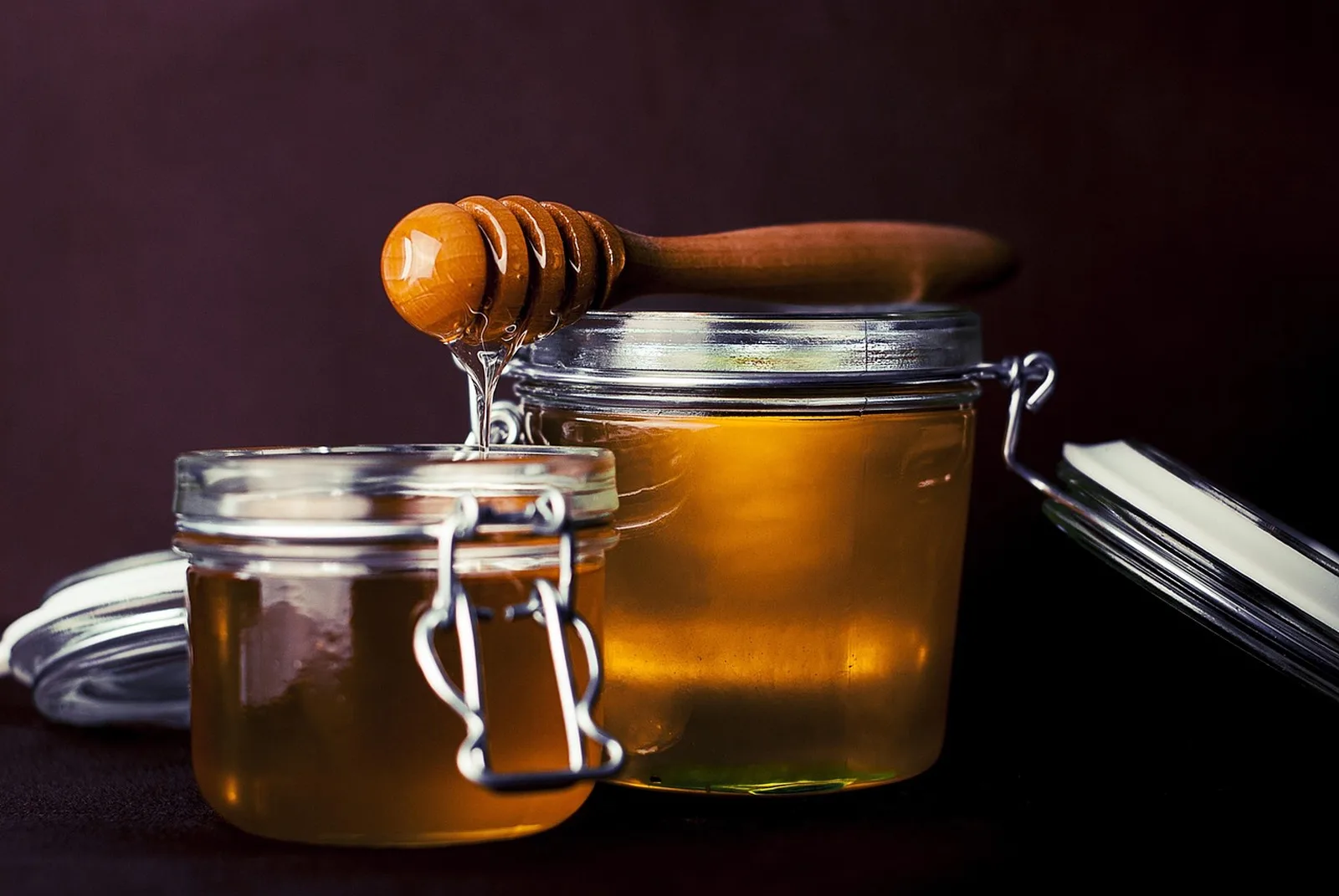
Honey is providence, made by tiny creatures. Whole, without a factory, and it never spoils. The oldest sweetener of humanity, and at the same time one of the most faked foods of our time.
From the blossom to the pantry jar, with no factory at all
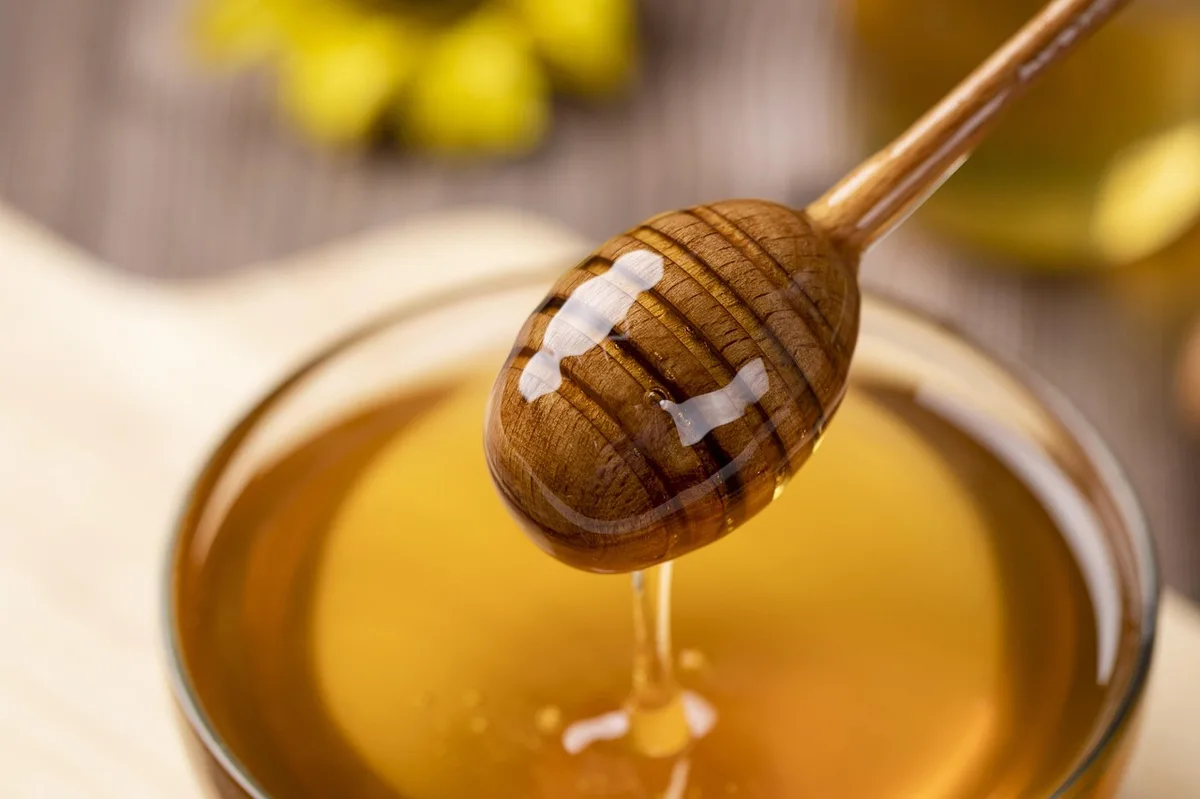
Bees gather nectar, add their enzymes and fan it dry. What remains is a food so low in water and so acidic that nothing can spoil in it. Honey found in Egyptian tombs, thousands of years old, was still edible. A food built to last, and that without a single machine. In it sit enzymes, trace elements and antioxidants, the whole living package.
More than sweetness: what real honey can do
The low water content, the acidic pH and an enzyme that releases small amounts of hydrogen peroxide make honey naturally antibacterial. This is so real that medical honey, such as Manuka, is used on wounds in clinics. Here we stay clean: that is wound care under medical supervision, not a promise that eaten honey heals a disease. But it tells you something: this is no empty sweetness. It is a living food with properties that refined sugar will never have.
But it is still sugar
Staying honest, so we do not fall into the very trap we warn about: honey is still sugar, mostly fructose and glucose. It is no free pass. The Bible said it soberly long ago: honey is good, but too much of it is not good (Proverbs 25:16 and 25:27). Whole and in measure, the way it was always meant. And two rules belong to it: never heat it strongly, that destroys the enzymes and the good part. And never give honey to a baby under one year, because of the danger of infant botulism.
The great swindle: fake honey
Here the modern world creeps back in after all. Honey is one of the most frequently faked foods on earth. Cheap honey is often stretched with corn or rice syrup, or heated and ultrafiltered so heavily that even the pollen disappears that would betray its origin. The jar says pure, and inside it is half sugar syrup. And again it can be proven, it’s just that no one looks. The solution is old and simple: buy real, raw honey, best locally, from a beekeeper you can trace. The whole thing, not the diluted imitation.
Honey in the Bible
Honey runs through Scripture as an image of good, gifted sweetness. The promised land flows with milk and honey. Samson finds honey in the body of a lion (Judges 14). Jonathan tastes honey, and his weary eyes grow bright again (1 Samuel 14:27). John the Baptist lives in the wilderness on locusts and wild honey (Matthew 3:4), the plainest food of all. And God’s own words are called sweeter than honey (Psalm 19:11). Honey stands for the good, the strengthening, the freely given, in right measure.
An honest addition from research: where the Bible speaks of the land flowing with “milk and honey”, the “honey” (Hebrew devash) probably often means date syrup, the most common sweetener of antiquity. But real bee honey existed just as well. At Tel Rehov, archaeologists have even uncovered a whole apiary from the 10th century before Christ. Both are honey in the wider sense, both whole, unfaked sweetness.
Wisdom, not law
No rule, no fear. Honey is a gift, not a supplement and not a sin (Romans 14). Use it whole and raw, in measure, in place of refined sugar where you can. Buy the real thing. Keep it away from babies. And enjoy it the way it has always been served: simple, living, sweet.
Scholarly basis among others: T&T Clark Handbook of Food in the Hebrew Bible and Ancient Israel (Bloomsbury 2022).
Further reading
Sugar: When Only the Sweetness of the Plant Remains
The Egg: A Complete Building Kit, Simply Given
Bread and Sourdough: Four Ingredients Against the Factory