



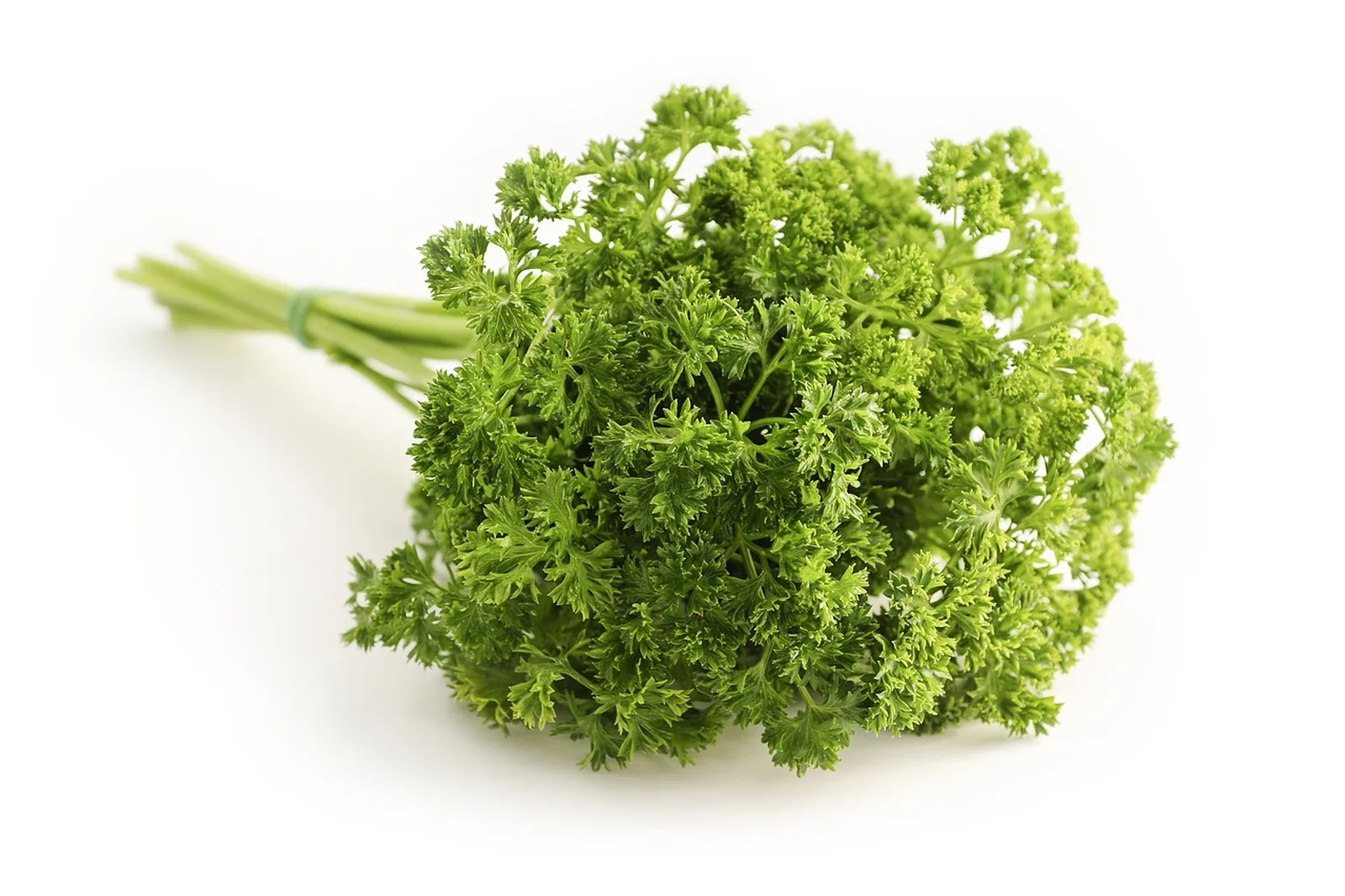
Here it gets precise, and surprising. The Bible does not actually speak of “vegetables” at all. It says “herb”, the green growth that bears seed. That is more than a quirk of language. It shows how the Creator orders food, and how differently we do it.
The Bible knows no vegetables
At the very beginning it says: God gives “every herb bearing seed” and “every tree with seed-bearing fruit” for food (Genesis 1:29), and to the animals “every green herb” (Genesis 1:30). The Hebrew word is eseb, the green, growing herb. Where your Bible later reads “vegetables”, for instance in Romans 14:2 or with Daniel, the original text has another word: Greek lachanon, the garden herb from cultivated land, or with Daniel simply seeds and greens. The Bible sorts the plants by one single, deep question: Does it bear seed? By design, not by supermarket shelf.
Where “vegetable” really comes from
The word is medieval. The German word for vegetables, Gemüse, comes from Middle High German gemüese and meant a “mash of crop plants”, a collective form of Mus, the cooked purée. It is attested only from the 15th century, and originally it even meant any dish at all. The English vegetable comes from the Latin word for “growing, enlivening” and at first simply meant all plants. The kitchen meaning, a plant for eating, only arose in the 18th century. And the surprise: in botany, “vegetable” does not exist. It is a pure kitchen term. Tomato, cucumber and pepper are botanically fruits. “Vegetable” is a drawer we invented. God’s question is simpler and deeper: Does it bear seed?
And the Bible does have its own words for this, just not “vegetables”: in Hebrew the green plants are called yaraq (“the green”) and zeroa (“the sown, the sprouts”), for instance in Leviticus 11:37, Deuteronomy 11:10 and Daniel 1:12. Simply the herb of the field. “Vegetables” is only the much later translation.
Herb and herbs: the green, living part
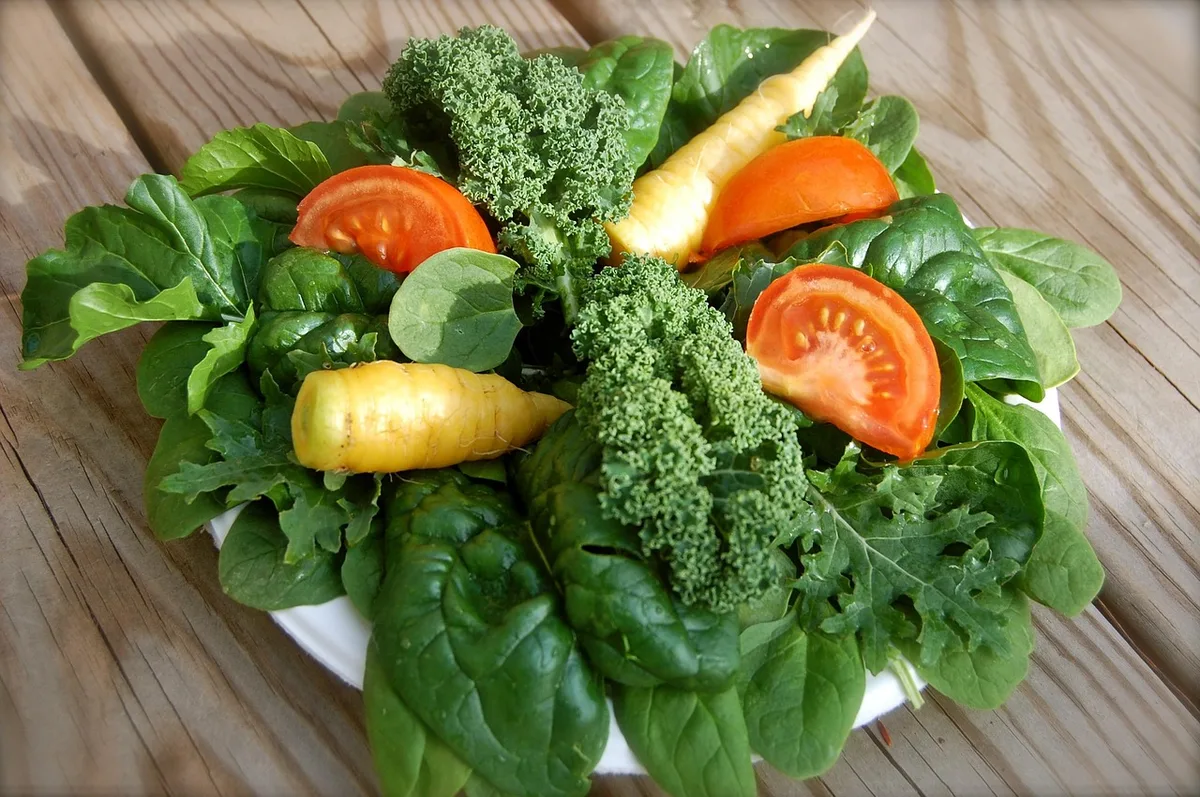
What the Bible calls herb, we would today call leafy greens and herbs. That is the fresh, living, mineral-rich and vitamin-rich part of the plant, best eaten fresh, raw or briefly cooked. Bitter herbs were a fixed part of the Passover meal (Exodus 12:8). Throughout all of history, the herbs of the field were food and gentle remedy in one. The green herb was there from the first day, in the very first sentence about food.
Here too, the bitterness was bred out
And again the same pattern. Modern leafy greens and root vegetables were bred milder and sweeter over the years, and the bitterness that was bred out often carried exactly the plant compounds that made the herb strong. Wild herbs and wild leaves are more bitter and richer in nutrients than their tame relatives from the shelf. Here too, the good part is quietly removed, for taste and shelf life. Where you can, take the fresh, the dark green, the slightly bitter, herbs and whole leaves, as close as possible to the wild original.
Herbs: the first home remedy
God set the herbs in the field, and for the greater part of history they were food and mild home remedy at once, the mint, the coriander, the bitter leaves. Here we stay honest and clean: we promise no healing. We simply note that the green herb was given from the beginning and carries in it what the body knows. What you do with that is your decision.
Wisdom, not law
No rule, no fear (Romans 14). Eat the green, fresh and in variety, herbs and dark leaves, and do not shy away from a little bitterness. Not because a rule demands it, but because this green herb stood in the very first sentence about food. Simple, living, given.
Scholarly basis among others: T&T Clark Handbook of Food in the Hebrew Bible and Ancient Israel (Bloomsbury 2022).
Further reading
The Seed: The Power in the Core
Fruit: The Only Food That Wants to Be Eaten
What Industry Strips Out