



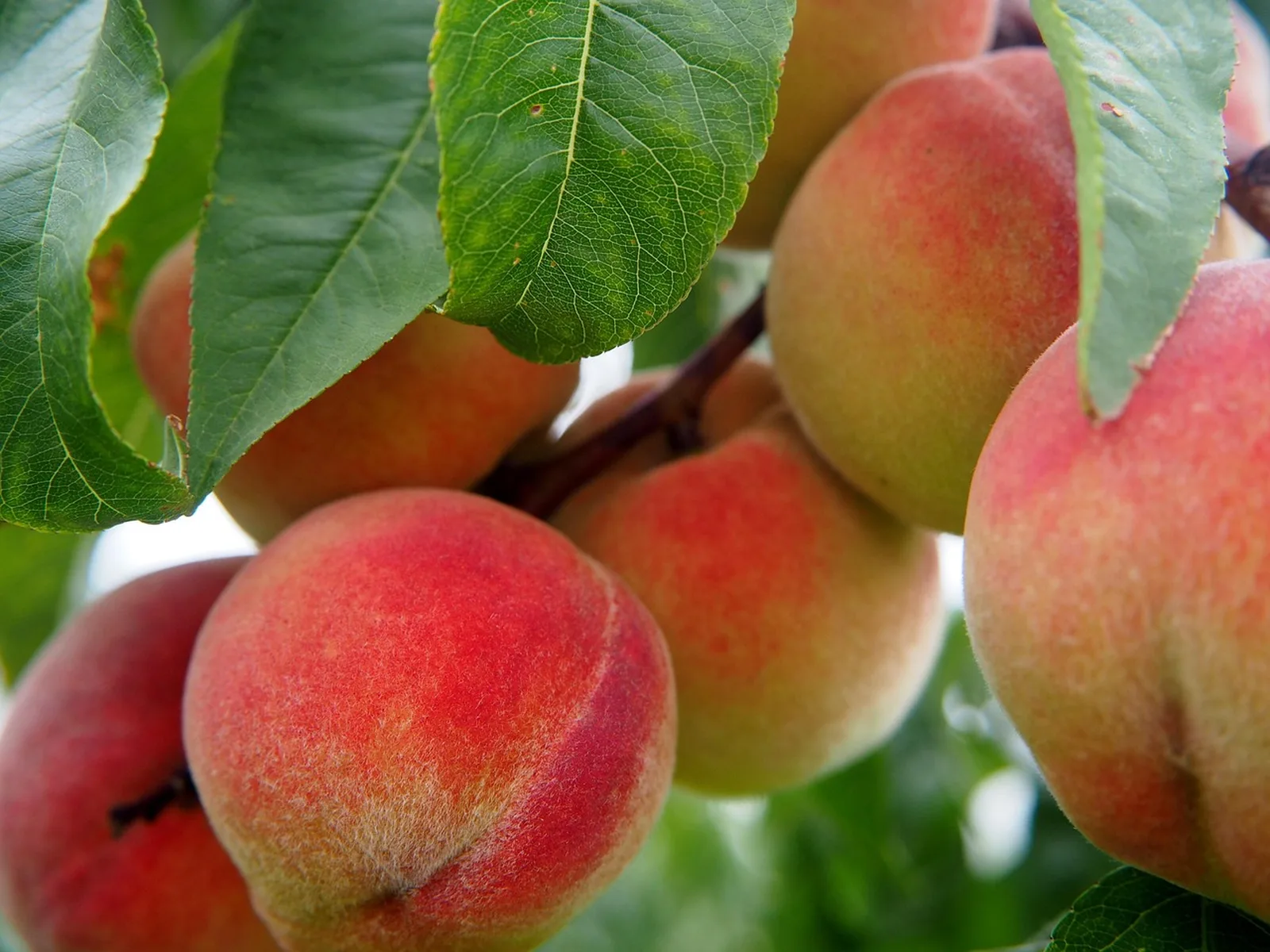
Fruit is unique among foods. It is the one thing in nature that wants to be eaten. The tree offers it, sweet, colorful, fragrant, so that you take it. No other food is so openly meant as a gift.
The only food that wants to be eaten
Almost everywhere in nature, the plant defends itself against being eaten, with bitter compounds, shells, thorns. Fruit is the exception. It is the packaging into which the plant lays its seed, and it makes it sweet and inviting on purpose, so that an animal eats it and carries the seed away. Provision and passing on in one bite. Exactly that stands at the beginning: seed-bearing trees with fruit, given for food (Genesis 1:29). Fruit is a gift with a task, it feeds you and plants itself onward at the same time.
Sweetness with a built-in brake
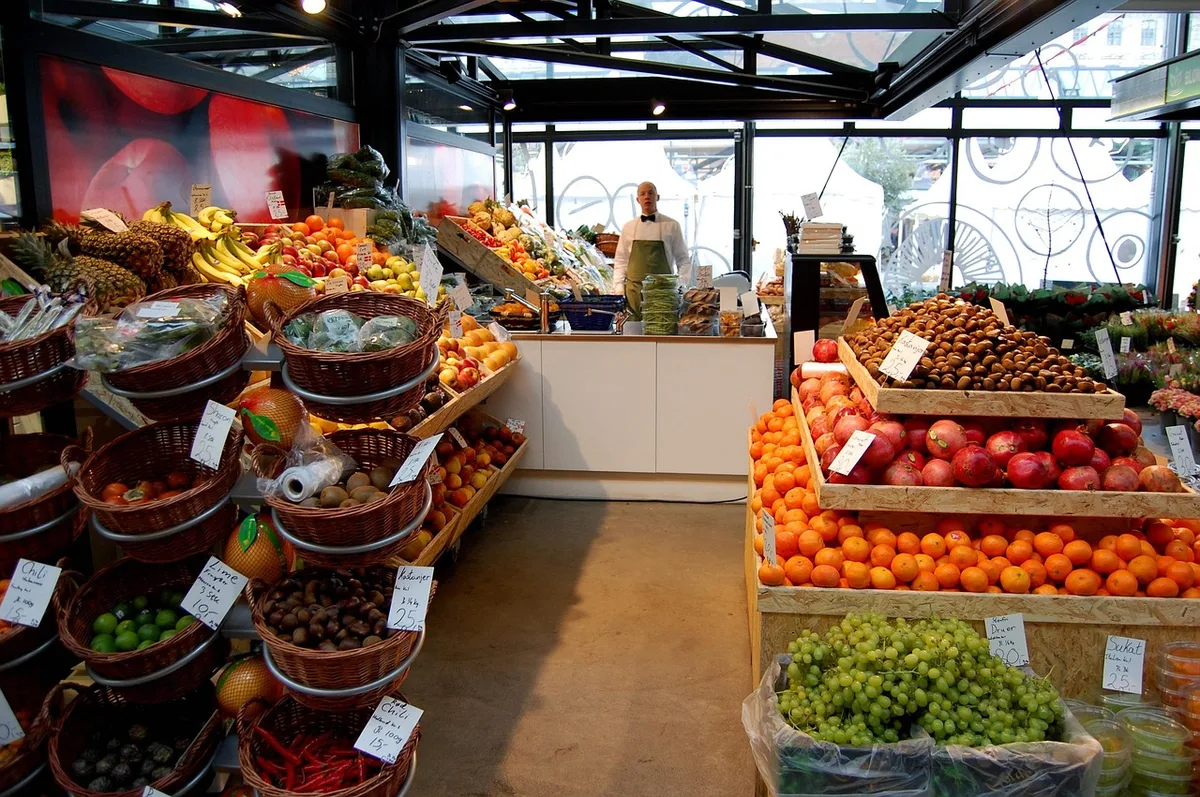
Because fruit is sweet, it easily comes under suspicion today. But the sugar in the whole fruit never comes alone. It sits within fiber, water, vitamins and antioxidants, the whole package. The fiber is the brake that lets the sugar into the blood slowly (more on this under sugar and blood sugar). That is why an apple is not a candy. You do not need to fear the whole fruit. Caution belongs to the juice and the isolated sugar, where exactly this brake is missing.
What breeding has changed
To be honest about it: the fruit on the shelf is no longer quite the fruit from the wild tree. Over centuries it was bred sweeter, bigger and milder, sometimes at the cost of the bitter compounds and some of the plant substances that were still abundant in the wild. Add to that, today everything is available all year round, hauled across the globe, instead of ripe and in season. None of this makes fruit bad. But the simple way is worth it: as seasonal as possible, as regional as possible, in variety and with the peel, as close as possible to the way it grew.
This is how fruit has been preserved since ancient times: figs were dried singly or strung on cords and pressed into fig cakes, grapes became raisins. Dried, the nutrients are concentrated, and the fruit lasts through the winter and the journey, as David’s provisions already show. Just whole drying, no additive, no factory.
By the fruit you know the tree
Hardly any image does the Bible use more often than fruit, and always as the visible thing, the thing that shows. In the garden, God gave every tree with fruit for food (Genesis 2:9,16). Fig, olive, vine, pomegranate and date belong to the signs of the good land. And Yehoshua says: “By their fruits you shall know them” (Matthew 7:16). The fruit is what the tree is known by, the result, the proof, the gift. Even the life from the Spirit Paul describes as fruit (Galatians 5:22). Fruit is never just food. It is what a healthy life brings forth by itself.
Wisdom, not law
No rule, no fear (Romans 14). Eat the whole fruit, gladly and plenty, preferably in season and from nearby, with the peel and, where possible, with the seeds. Prefer it to juice, for in the glass the brake is missing. That is sweetness as it was meant: packaged, living, given.
Scholarly basis among others: T&T Clark Handbook of Food in the Hebrew Bible and Ancient Israel (Bloomsbury 2022).
Further reading
Sugar: When Only the Sweetness of the Plant Remains
The Fig in the Bible
The Seed: The Power in the Core