



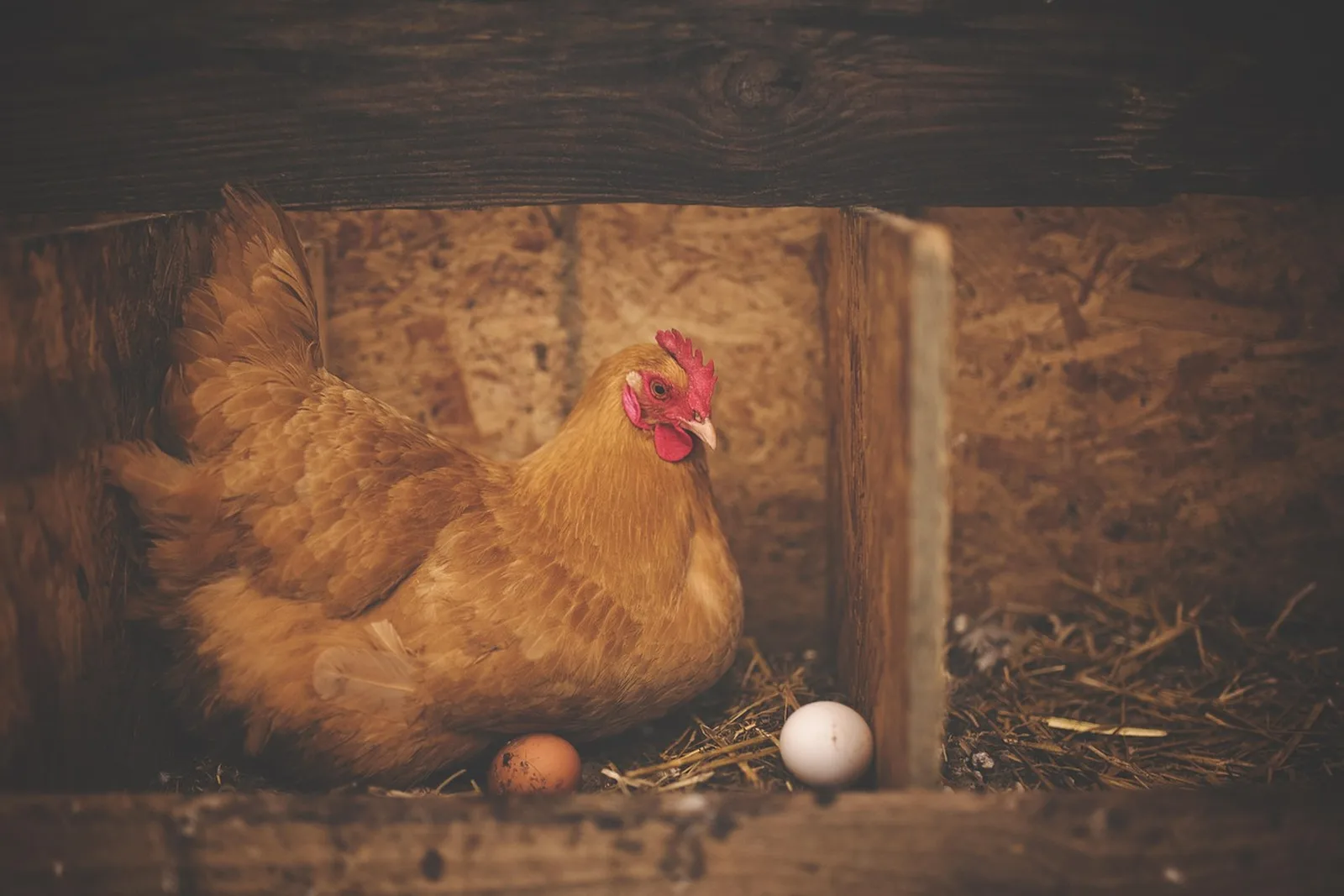
Some foods never needed an invention. They were there from the beginning, simple and complete. The egg is perhaps the clearest example, and it carries a quiet, clever piece of providence within it.
The hen lays more than she will ever hatch
A hen lays eggs whether a rooster is around or not, whether a chick ever comes of it or not. She produces a steady surplus, far more than she would ever brood. The unfertilized egg will never become a chick. It is simply food. Food that costs no life, no slaughter, no death. A provision that renews itself almost daily.
To be honest, over the centuries humans have bred the hen toward even more eggs. But the basic principle was already there: an animal that gives without dying for it. There is something fitting in that. It is food that is handed to you, not taken.
An egg is a complete building kit
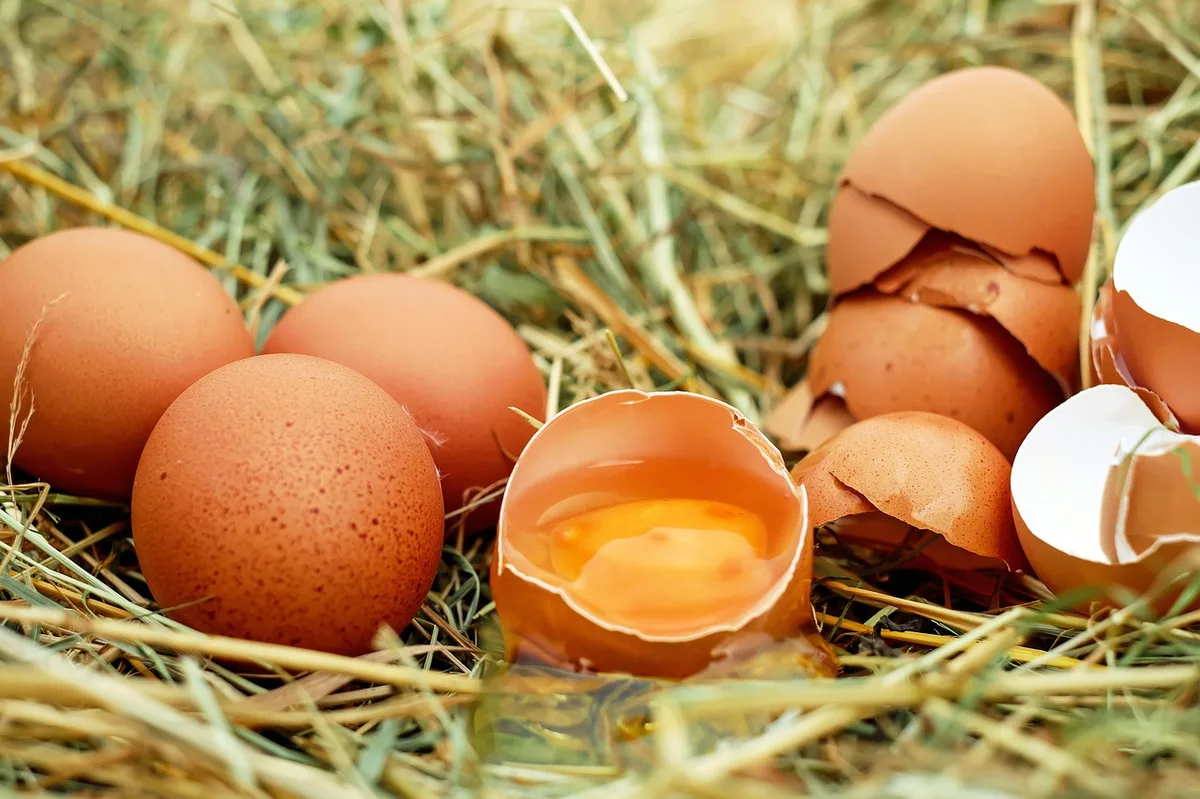
Inside a single shell is everything needed to build an entire chick in 21 days. That is exactly what makes the egg one of the most complete single foods there is. Its white contains all nine essential amino acids in nearly perfect proportion, so perfect that science long used egg protein as the benchmark for rating every other protein source. The yolk carries the fat soluble vitamins A, D and E, plus B12 and choline, a nutrient for brain and memory that is hard to get in sufficient amounts without eggs. One egg, and you are holding a small, complete package of life in your hand.
The cholesterol misunderstanding
For decades the egg stood in the corner, accused over cholesterol and heart health. That was a mistake. After sixty years of research the picture is clear: the cholesterol you eat has, for most people, only a small effect on the cholesterol in your blood, because the body makes most of it itself and adjusts. In 2015 the official dietary guidelines dropped the cholesterol limit and stopped restricting eggs. The egg was demonized unjustly, one more example of a confident nutrition rule that later proved wrong. An honest addition: a minority responds more strongly, and in the end the whole diet counts more than any single food.
The egg in the Bible
The egg appears in Scripture as an image of a good, plain gift. Yehoshua asks: which father, if his son asks for an egg, would give him a scorpion? (Luke 11:12). The egg stands for what is good, life giving, ordinary, the opposite of something harmful. It is the everyday provision a good father hands over without hesitation.
The simple was always enough
Here lies the core. The oldest foods were the simplest: the egg, the honey, the bread from whole grain, the fruit from the tree, the curdled milk from the herd. They needed no factory, no health claim, no label promising wellbeing. They were simply there and carried humanity through thousands of years. The clever thing about creation is not complexity. It is that the simplest provision was already complete.
Wisdom, not law
No rule, no fear. In the New Covenant no food makes you better and none makes you worse (Romans 14; 1 Timothy 4:4). If you eat eggs, take them if possible from hens that live well, out on the grass, and enjoy them without the old fear. Cooked enough to be safe. Simple, whole, given. That is exactly the point.
Further reading
What Industry Strips Out
The Seed: The Power in the Core
The Whole Grain: Why White Flour Loses the Germ