




A covenant is not a contract. The Greek word diatheke describes a one-sided decree, a testament in which one party disposes of everything. That is exactly how God made the New Covenant: He has done it all.
Where the Word Comes From

Greek knows two different words. Syntheke is the contract between two equal parties, a deal of performance and counter-performance. Diatheke, by contrast, is the disposition of a single person, a testament. When the Old Testament was translated into Greek, the translators deliberately chose diatheke for God’s covenant, not syntheke. That is no accident. God decrees, man receives.
Why It Gets Mistaken for a Contract
Whoever reads covenant as contract lives in constant worry about failing to keep his end. Then faith becomes performance, and every misstep threatens to blow up the deal. A contract demands that both sides deliver. A testament, however, rests solely on the one who draws it up. The heir does not have to perform, he has to accept. That changes everything.
What the Bible Means
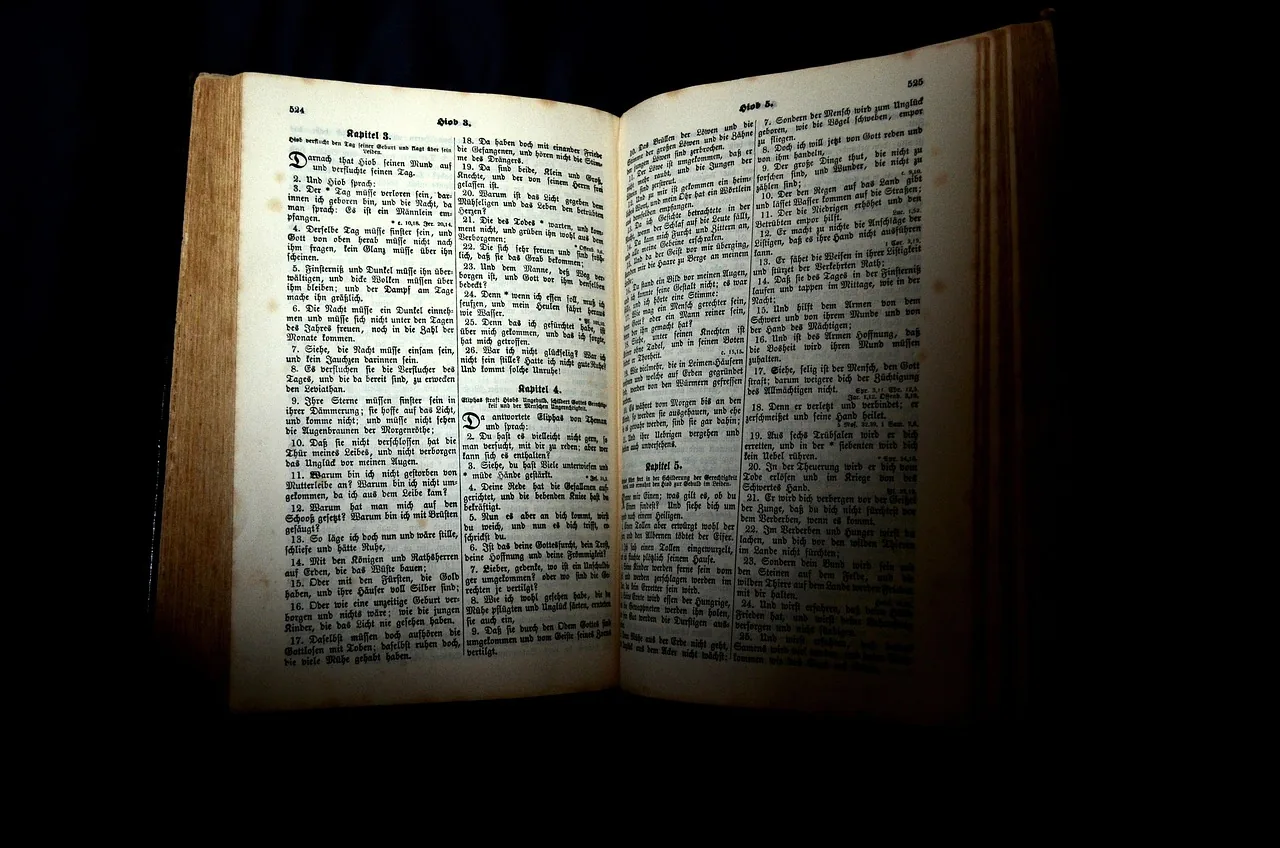
Jeremiah already announces it: “I will make a new covenant … I will forgive their sin and remember it no more” (Jeremiah 31:31-34). In Yeshua it becomes reality: “This cup is the new covenant in my blood” (Luke 22:20). And on the cross he speaks the word that seals the whole covenant: “It is finished” (John 19:30). Not a beginning we must complete, but a finished work we enter into.
Why This Sets You Free
In the New Covenant the begging stops. There is nothing to earn, only to receive and to give thanks for. “Blessed be God, who has blessed us with every spiritual blessing in the heavenly places through Christ” (Ephesians 1:3). Everything is already given. Man’s task is not to work for it, but to believe it and to receive it.
In One Sentence
The New Covenant is a testament, not a contract. God has done everything, and man receives as an heir what is already finished.
Further Reading
Sonship: Child, Not Beggar
Old Covenant, New Covenant: Why It Matters for How You Eat
Plain Words: Terms Explained Honestly